25 Things Every Family Should Do Before an Emergency Happens
Emergencies can happen with little or no warning.
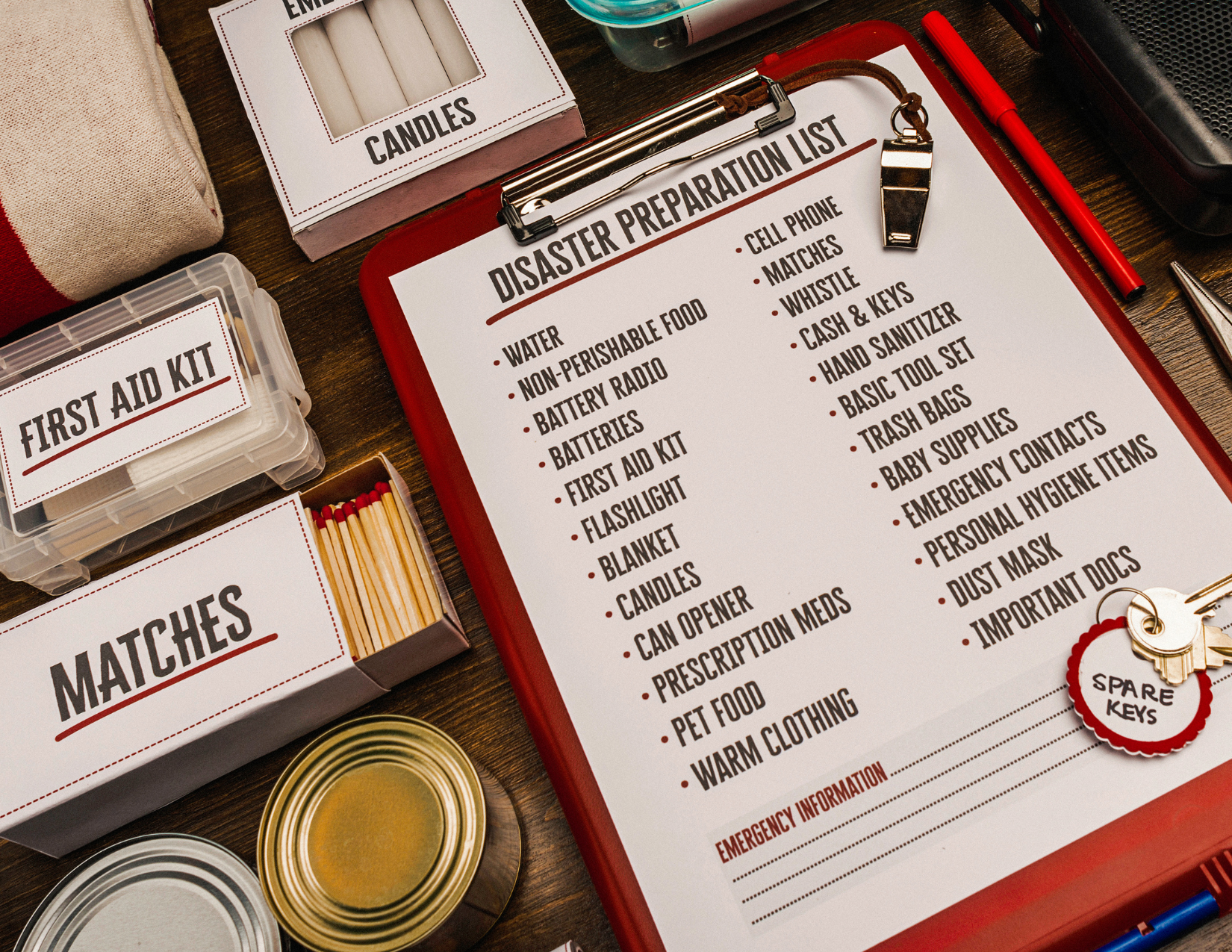
Whether it’s a severe storm, power outage, medical emergency, or unexpected disruption, having a plan can help your family respond with greater confidence and less confusion.
The good news? You do not have to prepare for everything overnight.
Preparedness begins with small, intentional steps: storing extra water, gathering important information, checking supplies, and talking through what your family would do if everyday routines suddenly changed.
For believers, these practical steps can go hand in hand with trusting God. We can ask Him for wisdom while faithfully caring for the people and resources He has entrusted to us.
Here are 25 practical things every family should consider before an emergency happens.
1. Create a Family Emergency Plan
Discuss where you’ll meet, how you’ll communicate, and what everyone should do if an emergency happens while you’re apart.
Choose a meeting place near your home and another outside your neighborhood. Include plans for sheltering at home, evacuating, and picking up children from school or childcare.
Consider the needs of young children, older adults, and anyone who may need help with transportation, mobility, communication, or medical care.
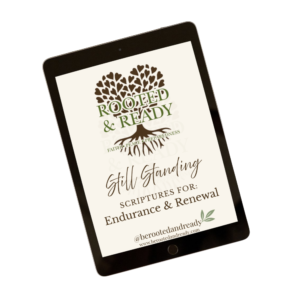
Our Emergency Preparedness Workbook can help you organize these decisions with household planning tools, checklists, and Scripture-centered encouragement.
2. Store Emergency Contact Information
Keep important phone numbers in both digital and printed form.
Include family members, trusted neighbors, healthcare providers, schools, utility companies, and insurance providers.
Place printed emergency contact cards in wallets, go-bags, and children’s backpacks, keeping personal information tucked away rather than displayed publicly. Protective sleeves can help keep printed copies readable.
A phone is useful—but your emergency contacts should remain accessible when its battery is dead.
3. Build a Basic First Aid Kit
Keep a well-stocked first aid kit where adults can reach it quickly and young children cannot access it unsupervised.
Include bandages, sterile gauze, medical tape, antiseptic wipes, nonlatex gloves, scissors, and a first aid guide.
A family first aid kit, such as the American Red Cross Licensed Deluxe All Purpose First Aid Kit, provides a convenient starting point. Review its contents and add supplies suited to your household rather than choosing solely by the number of pieces advertised.
Check expiration dates and replace supplies after use.
4. Store Drinking Water
Store at least one gallon of water per person per day for at least three days, covering drinking and basic food preparation and hygiene. Gradually work toward a two-week supply when possible.
Plan for additional water for pets, hot weather, illness, and individual needs.
Choose food-grade water storage containers designed for drinking water, in sizes you can safely lift and pour. Store them somewhere cool and out of direct sunlight. Replace water you fill and store yourself every six months; follow the dates on commercially bottled water.
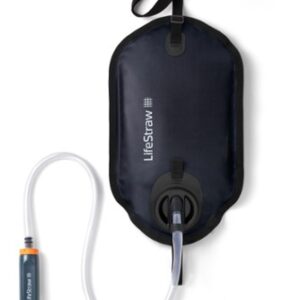
A LifeStraw Personal Water Filter can provide backup filtration for bacteria and parasites in freshwater when used as directed. However, this personal microfilter does not remove viruses or salt and is not designed to make chemically contaminated water safe.
Stored drinking water remains a priority. Always follow local water advisories, and use another safe source if water may contain fuel or toxic chemicals.
5. Keep Shelf-Stable Food on Hand
Start with foods your family already eats, including options that require little or no cooking.
Canned beans, canned meats, fruit, nut or seed butters, and crackers can provide a practical foundation when suitable for your household’s dietary needs.
Keep a manual can opener with your supplies.
A three-day emergency food kit can supplement your pantry, but check its total calories, allergens, number of people served, and preparation requirements. Some meals require extra water and a way to heat it.
Rotate your food so older items are used first.
6. Create a Go-Bag
Prepare a portable bag with essentials in case you need to leave quickly.
Include drinking water, ready-to-eat food, basic first aid supplies, a flashlight, charging cables, clothing, hygiene items, and copies of important documents. Keep a short last-minute checklist for daily medications and other items you cannot leave packed.
A comfortable backpack with a built-in safety whistle and a compact emergency blanket can be useful additions. If your backpack does not include a whistle, pack one separately. While medications, documents, and items specific to you and/or your family will need to be added, you can also purchase pre-packed Go-Bags for individuals or even Go-Bags with supplies for multiple people.
Keep the weight manageable for the person carrying it. Include a small comfort item for children.
For help beginning, request our complimentary Faith-Based Emergency Starter Kit.
7. Back Up Important Documents
Gather copies of identification, insurance policies, medical information, emergency contacts, and other essential records.
A water-resistant document organizer can keep copies together for a quick departure. For originals stored at home, consider a document safe and review its independently verified fire and water protection ratings.
Check the actual protection ratings before buying; a “fireproof” label alone does not explain what a product can withstand.
Maintain secure digital backups as well.
8. Designate an Out-of-Area Contact
Choose someone outside your immediate area whom family members can contact to share their location and confirm they are safe.
This person may be able to relay information when family members cannot reach one another directly. Communication still depends on available service, so an out-of-area contact does not replace agreed-upon meeting places.
Make sure everyone has the number saved and written down.
9. Prepare for Power Outages
Identify the devices your household needs most and plan how you will keep them powered.
A portable phone power bank can help maintain phone access. A portable power station may support compatible lights, electronics, or small appliances. For larger needs, another option to evaluate is the Jackery Explorer 1000 v2.
Compare battery capacity, output limits, and expected runtime with your actual needs before purchasing.
If someone depends on powered medical equipment or refrigerated medication, arrange a specific outage plan with their healthcare provider.
Keep an Emergency Weather Radio available for receiving broadcasts when internet service is unavailable.
If using a fuel-burning generator, operate it outdoors, at least 20 feet from doors, windows, and vents, with exhaust directed away from buildings. Never operate it inside a home or garage, even with the doors open.
10. Maintain Emergency Cash
Electronic payment systems and ATMs may be unavailable during an emergency.
Keep a manageable amount of cash in small bills in a secure location. Build your reserve gradually according to your budget.
Include it in your evacuation planning, and make sure a trusted adult knows where essential emergency funds are kept.
11. Learn Basic First Aid Skills
Supplies are more useful when you know how to use them.
Consider taking a first aid and CPR course that covers the ages represented in your household. Practice the skills as instructed and refresh your training when needed.
Keep a printed first aid reference guide with your kit so you can access basic instructions without internet service.
12. Check Smoke and Carbon Monoxide Detectors
Test smoke alarms monthly and follow the manufacturer’s instructions for testing and maintaining carbon monoxide alarms.
Smoke alarms generally need replacement after 10 years. Carbon monoxide alarm replacement schedules vary by model.
A battery-powered combination smoke and carbon monoxide alarm may be an option where suitable for your home. Choose alarms that meet your home’s installation and interconnection requirements; hardwired systems may require compatible hardwired replacements with battery backup.
Follow placement instructions and make sure everyone recognizes the sounds and knows how to respond.
Working alarms belong in your everyday safety plan—not just your emergency checklist.
13. Create a Medication List
Maintain an updated list of medications, dosages, allergies, and medical conditions.
Include pharmacy information and prescribing healthcare providers’ contact details.
Ask your pharmacist or healthcare provider about preparing an emergency medication supply and managing temperature-sensitive medicines. Keep medications properly labeled and stored according to their instructions.
A clearly labeled medication travel bag can help keep essential items together when you need to leave.
14. Plan for Pets
Include your animals in your emergency preparations.
Store food, water, medications, vaccination records, and waste supplies. Keep a pet carrier or secure leash and harness accessible, choosing equipment appropriate for your animal’s species and size.
A pet travel organizer with food bags and portable bowls can help keep feeding supplies together.
Identify evacuation options that accept your pets before an emergency occurs. Keep identification tags and microchip contact information current.
15. Build a Household Inventory
Document belongings for insurance purposes.
Take photos or videos of each room, and record model numbers, serial numbers, and purchase information for important items when available.
Keep a copy of your inventory securely outside your home or in a protected digital account. Update it after major purchases.
You can begin with your phone and a simple room-by-room walkthrough.
16. Learn How to Shut Off Utilities
Locate your water shutoff valve, electrical panel, and gas shutoff. Ask your utility providers when and how these should be used safely.
A gas and water shutoff tool may be useful if it fits your valves. Confirm which valves you are permitted to operate and keep the appropriate tool in a labeled, accessible location.
Do not turn off the gas simply to practice. If gas service is shut off, a qualified professional must restore it.
If you suspect a gas leak, leave immediately and call the gas utility or emergency services from a safe location.
17. Prepare Backup Lighting
Keep several light sources available throughout your home.
LED lanterns can illuminate shared spaces, while LED headlamps keep your hands free for helping children, finding supplies, or completing necessary tasks.
Keep a flashlight near each sleeping area and store the correct spare batteries with your supplies.
For rechargeable lights, include a way to recharge them during an extended outage. Battery-powered lighting also avoids the open flame of candles.
18. Organize Medical Information
Keep essential medical information together and easy for an authorized caregiver to locate.
Include your medication list, allergies, medical conditions, insurance information, healthcare contacts, and instructions for medical equipment.
A medical information binder can help organize printed records. Include information about mobility, communication, or other support needs.
Protect sensitive information while making sure trusted people know how to access what they need.
19. Practice Emergency Drills
A written plan is more useful when your household has practiced it.
Walk through home fire escape routes, identify your severe-weather shelter location, and discuss what you would take during an evacuation.
Keep practice calm and age-appropriate. Help children understand where to go and which adults can help them.
Review your plans as your household’s needs change.
20. Store Extra Hygiene Supplies
Include soap, toilet paper, menstrual products, diapers, wipes, trash bags, and appropriate cleaning supplies.
Keep supplies together in a portable hygiene tote so they are easy to locate or take with you.
If water or sewer service is interrupted, you will also need a sanitation plan. A portable emergency toilet used with compatible waste bags may be useful. Check what is included before purchasing, and follow local guidance for safe waste handling and disposal.
Plan for handwashing as well as toilet needs.
21. Prepare for Communication Disruptions
Sign up for local emergency alerts and keep more than one way to receive information.
Your weather radio and printed contact cards provide useful backups. A paper road map can help when navigation apps or internet access are unavailable. Choose one that covers your area and potential evacuation routes.
During network congestion, try a brief text message rather than repeated calls.
Agree ahead of time on where to meet and what to do if no messages go through.
22. Protect Important Digital Information
Back up critical files, family records, and information you cannot easily replace.
Use strong, unique passwords and multifactor authentication to help protect sensitive accounts.
An encrypted USB drive or external backup drive can provide another copy of important files. Follow the device’s instructions to set up encryption or password protection where supported; simply copying files does not automatically protect them.
Keep your backup secure and separate from the device it backs up.
Maintain printed copies of essential emergency information, too.
23. Build Supplies Gradually
You do not need to purchase everything at once.
Take inventory before shopping. Start with your household’s most important gaps, then add useful items as your budget allows.
Our Emergency Preparedness Workbook can help you organize your preparation with checklists, planning pages, and practical prompts.
For equipment and supply ideas, explore our Start Here page.
Preparedness is a process, not a race.
24. Think Through Real-Life Scenarios
Consider how your household would respond to severe weather, an extended power outage, an evacuation order, or a temporary supply disruption.
What would you eat without electricity? How would you manage extreme temperatures? Who could help if you were ill or unable to drive?
Focus first on emergencies most likely in your area and the needs specific to your family.
Thinking through these situations can reveal gaps while there is still time to address them.
25. Pray Over Your Family and Home
Let prayer be part of your preparation.
Ask God for wisdom, discernment, protection, and peace. Pray for clear thinking, helpful relationships, and the ability to act wisely when circumstances change.
Scripture gives us this encouragement:
“If any of you lack wisdom, let him ask of God, that giveth to all men liberally, and upbraideth not; and it shall be given him.” — James 1:5, KJV
We can seek God’s guidance while taking practical steps to care for our households.
Helpful Tips for Getting Started
If this list feels like a lot, choose a few manageable actions for this week:
- Begin with what you own. Gather your flashlights, first aid supplies, extra pantry items, and important paperwork before buying more.
- Choose one planning task and one supply task. Write down your emergency contacts, then add a little drinking water to your storage.
- Make supplies easy to find. Clearly label containers and show household members where appropriate items are kept.
- Choose equipment you can manage. Consider weight, ease of use, storage space, and ongoing maintenance.
- Set a review reminder. Check food dates, stored water, batteries, medication information, and family plans regularly.
Small steps are easier to maintain when they fit your real life.
A Peaceful Preparedness Prayer
Heavenly Father,
Thank You for the people You have entrusted to our care. Give us wisdom as we prepare our homes and make decisions for our families.
Help us recognize what needs attention and take each step without becoming overwhelmed. Guide our priorities, help us use our resources wisely, and connect us with people who can offer support.
Protect our households, calm our hearts, and help us respond with clarity and compassion when unexpected situations arise. Teach us to be good stewards of what we have and willing to help others as we are able.
May our preparation be guided by wisdom and our hearts remain anchored in You.
In Jesus’ name, Amen.
Final Thoughts
Preparedness is an act of care and stewardship.
A written plan, stored drinking water, a few extra pantry items, and a working flashlight are meaningful beginnings. You do not need every product mentioned here to start making your household better prepared.
If you’re taking your first steps, request our complimentary Faith-Based Emergency Starter Kit.
For more structured guidance, our Emergency Preparedness Workbook can help you work through the preparation process, organize important information, and build a plan that fits your family.
Start where you are.
Use what you have.
Take one faithful step at a time.
Prepared in Peace.
Rooted in Christ.
Rooted & Ready.
Affiliate Disclosure
This post contains affiliate links. If you purchase through these links, Rooted & Ready may earn a commission at no additional cost to you. As an Amazon Associate, I earn from qualifying purchases. Thank you for supporting Rooted & Ready and helping us continue creating faith-based resources for peaceful preparedness.