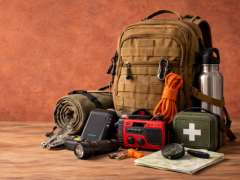
How to Build a Family Emergency Go-Bag (Without Overspending)
When an emergency happens, there may not be time to gather supplies, search for important documents, or make last-minute decisions.
That’s where a Go-Bag comes in.
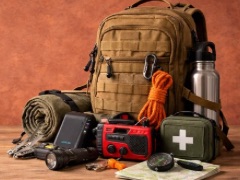
A Go-Bag is simply a backpack or portable bag containing essential items your family may need if you must leave home quickly during an emergency.
The good news?
Building a Go-Bag doesn’t have to be expensive.
In fact, many families can create one gradually using items they already have at home.
What Is a Go-Bag?
A Go-Bag is designed to help support your family’s basic needs for approximately 72 hours during an evacuation or emergency situation.
It is not intended to replace your home preparedness supplies.
Instead, it serves as a grab-and-go resource when time is limited.
Start With the Bag
While you could purchase a pre-packed Go-Bag, you can also gather the items on your own. Before purchasing specialty gear, begin with a sturdy backpack, duffel bag, or small rolling bag.
The goal is function, not perfection.
Many families already have a suitable bag sitting in a closet.
Prioritize Water
Water should be one of your highest priorities.
Include:
- Bottled water
- Collapsible water containers
- Water purification tablets
Many families also choose to carry a LifeStraw Personal Water Filter as a lightweight backup option.
Pack Shelf-Stable Food
Choose foods that:
- Require little preparation
- Have a long shelf life
- Are familiar to your family
Examples include:
- Protein bars
- Trail mix
- Peanut butter
- Crackers
- Dried fruit
- Ready-to-eat meals
Rotate items periodically to maintain freshness.
Include Basic First Aid Supplies
Every Go-Bag should contain basic medical supplies.
Consider including:
- Adhesive bandages
- Gauze
- Antiseptic wipes
- Pain relievers
- Prescription medications
- Gloves
A compact First Aid Kit can save valuable space while keeping supplies organized.
Prepare for Power Outages
Emergencies often involve power disruptions.
Helpful items include:
- Flashlight
- Extra batteries
- Rechargeable lantern
- Portable phone charger
A Portable Power Bank can help keep phones charged when traditional power sources are unavailable.
Stay Informed
Reliable information is critical during emergencies.
Many preparedness-minded families keep a NOAA Emergency Weather Radio in their Go-Bag to receive weather alerts and emergency updates.
Protect Important Documents
Keep copies of:
- Identification
- Insurance cards
- Emergency contacts
- Medical information
Store them inside a waterproof pouch or protective document sleeve.
Don’t Forget Comfort Items
Preparedness is not only physical.
Consider including:
- Family photos
- Small Bible
- Comfort item for children
- Notebook and pen
- Prayer journal
During stressful situations, familiar items can provide reassurance and stability.
Build Your Bag Over Time
One of the biggest mistakes people make is believing they must buy everything at once.
Preparedness works best when built gradually.
Add one or two items each week as your budget allows.
Small, consistent progress often leads to lasting preparedness.
A Helpful Next Step
If you’re unsure which supplies to prioritize first, our Go-Bag Essentials page provides additional guidance and recommendations for building a practical family emergency bag.
Final Thoughts
Your family’s Go-Bag does not need to be perfect.
It simply needs to exist.
Start with a bag.
Add a few essentials.
Build steadily over time.
Preparedness is not about fear.
It is about stewardship.
It is about wisdom.
And it is about caring well for the people God has entrusted to you.
Prepared in Peace.
Rooted in Christ.
Rooted & Ready.