25 Things Every Family Should Do Before an Emergency Happens
Emergencies rarely arrive with a warning.
Whether it’s a severe storm, power outage, medical emergency, natural disaster, or unexpected disruption, having a plan in place can reduce stress and help your family respond with greater confidence.
The good news is that preparedness doesn’t have to be overwhelming.
Small, intentional steps taken today can make a big difference tomorrow.
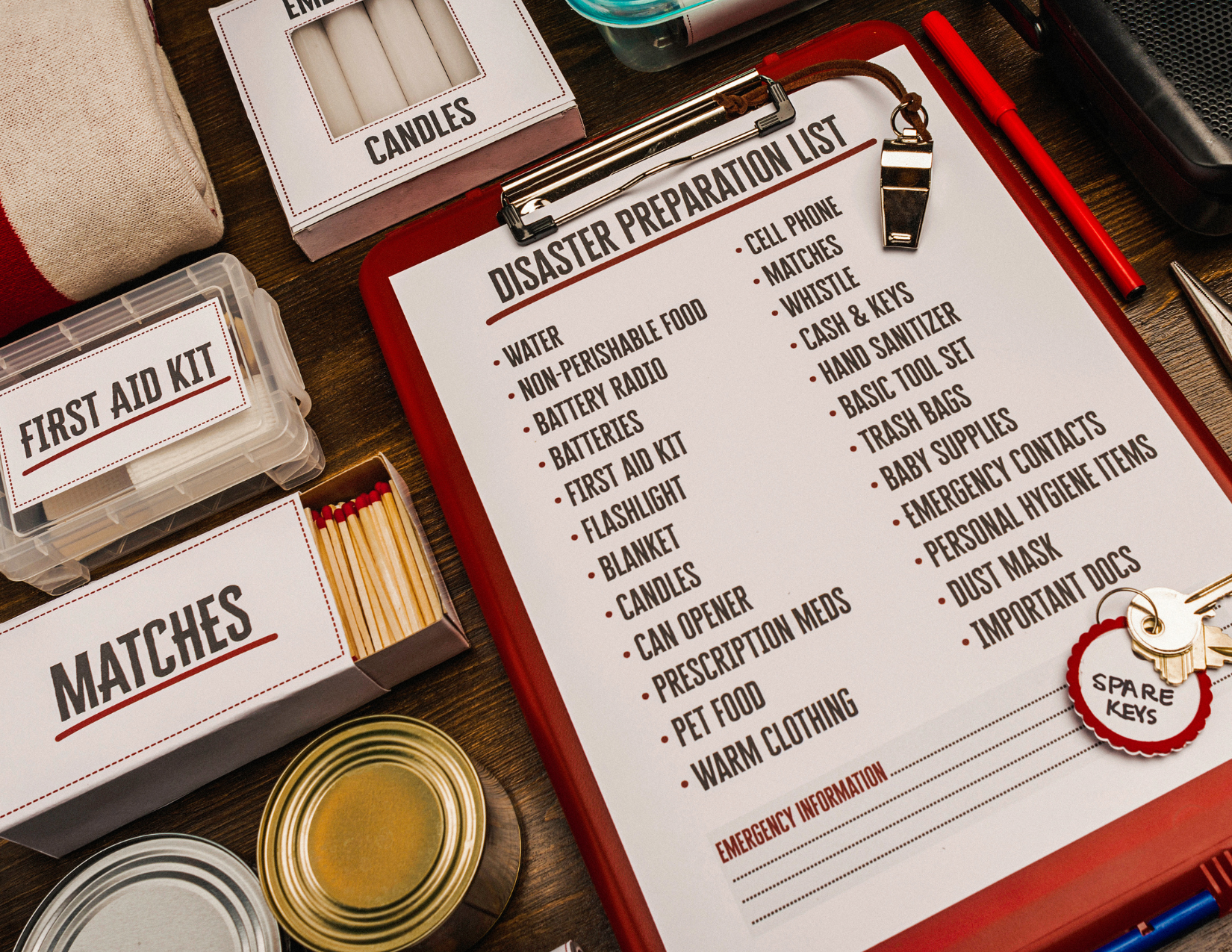
Here are 25 practical things every family should consider before an emergency happens.
1. Create a Family Emergency Plan
Discuss where you’ll meet, how you’ll communicate, and what everyone should do in different emergency situations.
2. Store Emergency Contact Information
Keep important phone numbers in both digital and printed form.
3. Build a Basic First Aid Kit
Every household should have a well-stocked first aid kit that is easy to access during an emergency. Make sure it includes medications, bandages, antiseptic supplies, gloves, and other essentials.
4. Store Drinking Water
Water is one of the most important preparedness priorities.
Aim for at least one gallon per person per day for several days. In addition to stored water, many families choose to keep a LifeStraw Personal Water Filter or similar water filtration device available as a backup source of clean drinking water during emergencies.
5. Keep Shelf-Stable Food on Hand
Stock foods your family will actually eat and rotate them regularly.
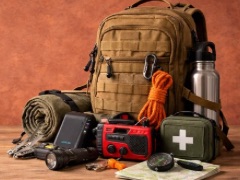
6. Create a Go-Bag
Prepare a portable bag with essentials in case you need to leave quickly.
7. Back Up Important Documents
Store copies of identification, insurance policies, medical records, and other critical paperwork.
8. Designate an Out-of-Area Contact
Choose someone family members can contact if local communication systems fail.
9. Prepare for Power Outages
Keep flashlights, batteries, lanterns, and backup charging options available.
Many families also keep an Emergency Weather Radio nearby so they can continue receiving important alerts and information even when power and internet service are unavailable.
10. Maintain Emergency Cash
Electronic payment systems may not always be available during emergencies.
11. Learn Basic First Aid Skills
Knowledge is often as valuable as supplies.
A first aid kit is important, but understanding how to use those supplies can make an even bigger difference when an emergency occurs.
12. Check Smoke and Carbon Monoxide Detectors
Test devices regularly and replace batteries as needed.
13. Create a Medication List
Maintain an updated list of medications, dosages, and medical conditions.
14. Plan for Pets
Store food, water, medications, and records for your animals.
15. Build a Household Inventory
Document valuable belongings for insurance purposes.
16. Learn How to Shut Off Utilities
Know how to safely turn off water, gas, and electricity if necessary.
17. Prepare Backup Lighting
Keep multiple light sources available throughout your home.
Simple items such as rechargeable lanterns, LED flashlights, and battery-powered lights can provide comfort and visibility when the lights go out unexpectedly.
18. Organize Medical Information
Keep emergency medical information easily accessible.
19. Practice Emergency Drills
Review plans periodically so everyone knows what to do.
20. Store Extra Hygiene Supplies
Include soap, toilet paper, feminine products, diapers, and cleaning supplies.
21. Prepare for Communication Disruptions
Have backup methods for receiving emergency information.
22. Protect Important Digital Information
Back up critical files to secure locations.
23. Build Supplies Gradually
One of the biggest mistakes people make is believing they need to do everything at once.
Preparedness is a process, not a race.
If you’re unsure where to begin, our Start Here Guide was created to help families focus on the most important priorities first and build preparedness one step at a time.
24. Think Through Real-Life Scenarios
Consider how your family would respond to situations such as severe weather, extended power outages, evacuation orders, or temporary supply shortages.
Thinking through these possibilities ahead of time can help reduce panic and improve decision-making during stressful situations.
25. Pray Over Your Family and Home
Preparedness begins with practical action, but it should also be covered in prayer.
Ask God for wisdom, protection, discernment, and peace as you care for the people He has entrusted to you.
Final Thoughts
Preparedness is not about fear.
It is about stewardship.
Every step you take today can help create greater peace, stability, and resilience for your family tomorrow.
You do not need to do everything at once.
Start where you are.
Use what you have.
Take one faithful step at a time.
Prepared in Peace.
Rooted in Christ.
Rooted & Ready.